
Garden & Waste Management
A sustainable home project goes beyond the building itself. Your garden and the way your home manages waste are a critical part of sustainability.
Imagine a backyard that's both a food source and a haven for local wildlife! An edible garden, orchard, and wicking beds provide fresh produce, while frog-friendly ponds and native plant havens support local ecosystems. Or where a more full circle of production is in action through a permaculture approach.
Creating a sustainable home extends beyond the interior, embracing the garden and our waste practices too.
And when you take it into consideration from the very start, even the construction of your new home build can be waste-free or significantly reduced.
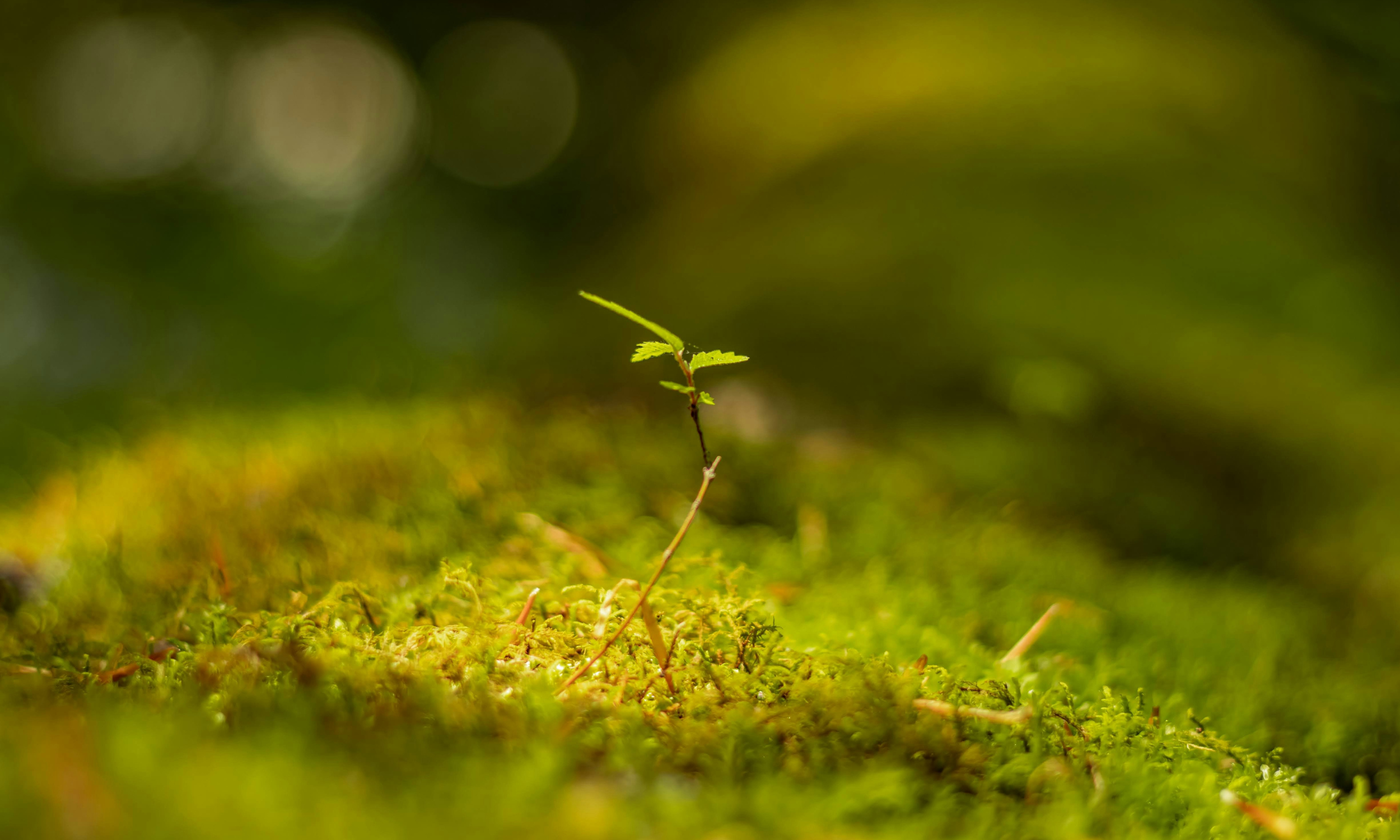
When we think waste management, we often think materials.
Working with an architect can reduce waste across your whole project. It involves good planning from the start, managing your building materials with care, and ensuring responsible disposal, all of which will save you money and the environment.
Careful planning means you’ll only order the materials you need, leading to less waste from your building project. You can also sort waste on site so it can be repurposed or donated and avoid landfill.
But beyond the build, there’s also thinking about how your home will manage waste.
How will your home manage waste?
Considering how your home’s waste is managed makes good sense, and not only from a functional point of view (e.g. How can I make it easy to manage the various waste products from my kitchen?)
Start by thinking compost, sorting of recyclables and food waste, but make sure you also consider sewerage and grey water (water coming from showers, laundry and basins). Your new home or home renovation is your chance to consider how you can contribute to having a lighter footprint.
Your garden can play a huge part in building a sustainable home.
Your garden design can deliver huge sustainability gains for your home and the planet.
Sustainable garden design should consider water conservation, healthy soil and reducing chemical usage.
Think planting natives or indigenous varieties, composting, using mulch to help reduce water usage, collecting rainwater for use in the garden, and avoiding synthetic pesticides.
You can even plan to grow your own food with a well-placed vegetable garden, and help create habitats for local wildlife. Birds, bees and butterflies are all an important part of the ecosystem and we all benefit greatly when we create a garden that nurtures them.
Sustainability is all about thoughtful choices
A sustainable garden doesn’t have to be difficult. Permaculture principles and water-wise plantings minimise your environmental impact, and a worm farm and composting system turn waste into valuable resources.
Inside and out, sustainability means thoughtful choices: composting food scraps, making preserves, recycling, repairing, and swapping with neighbours.
Ready to consider sustainability for your project?
Sustainability is one of my core values as an architect and I love to work with families who want to consider sustainability in their project. And of course, this includes gardens and waste management!
For an obligation free chat about how you can make your home design sustainable in a way that works for you, get in touch with me here.