
Insulation & Airtightness
Insulation slows down heat flow. Airtightness stops drafts and unwanted air leaks. Together, they’re the dream team for creating a more comfortable and stable environment in your home all year round.
Think of them like your home’s cozy winter coat and windbreaker, working together to keep you comfortable and create a more energy-efficient home.
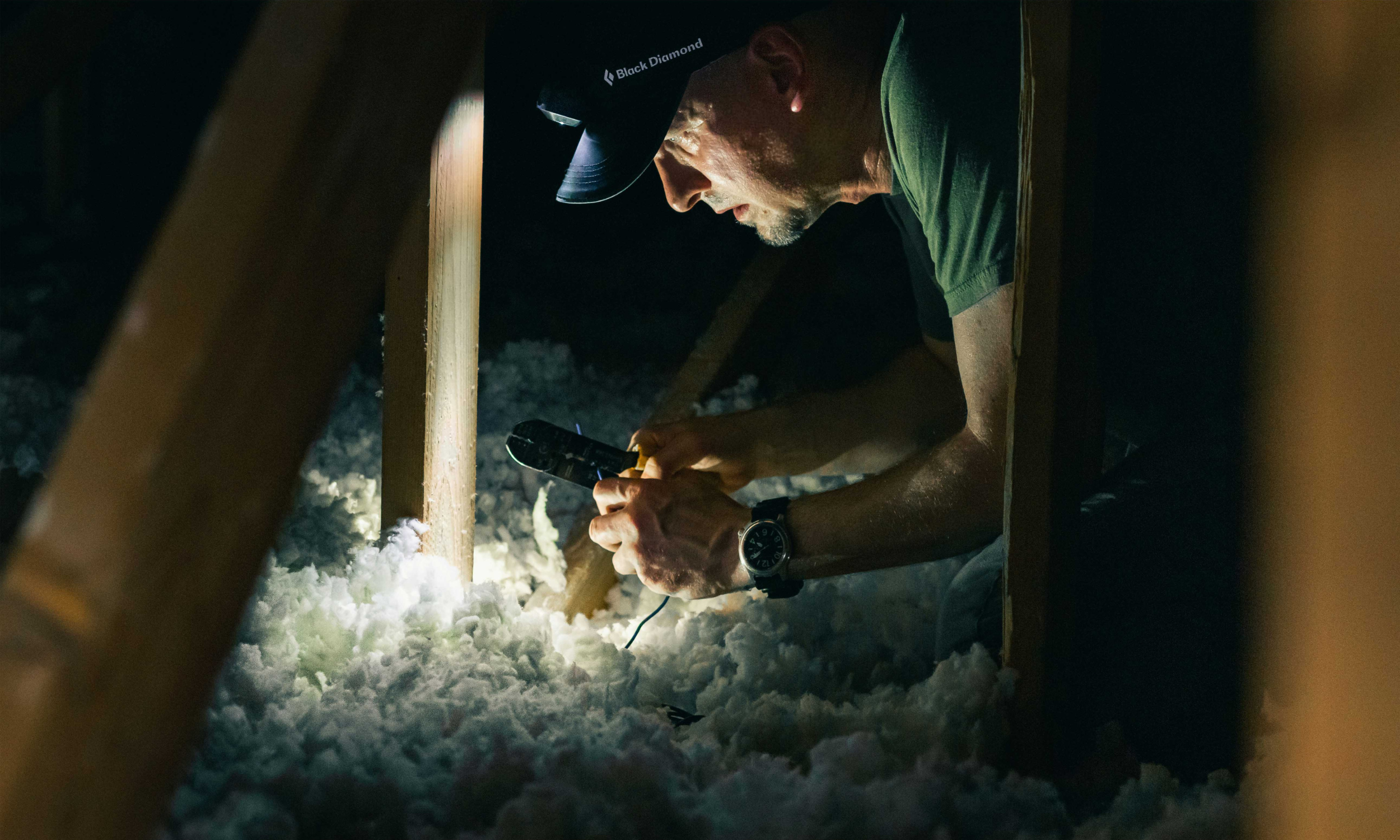
What is insulation and why is it important?
Insulation slows down the flow of heat, keeping warmth on the inside during cold weather, and on the outside during hot weather.
Traditionally, materials such as fiberglass, polyester, glasswool or foam are used as insulation to prevent the transfer of heat. But there are more and more eco-friendly options for us to choose from, such as earthwool, cellulose, recycled denim, sheep’s wool, hemp, cork and wood-fibre and they can offer insulation made of natural materials.
This isn’t to say that the more traditional materials shouldn’t be used for particular cases. But your preference may be for less energy intensive, less toxic and more sustainable over the lifetime of the material. Selecting your insulation means considering a number of factors that you should chat about with your architect.
What is airtightness?
Airtightness is insulation’s best friend. It stops unwanted drafts by sealing any gaps or leaks in the building envelope, stopping both warm or cool air from escaping.
Insulation & Airtightness make your home more sustainable.
These two elements work together to create a more energy-efficient home.
Many houses have countless draughts and leaks where all the perfectly heated or cooled air we invest in just slips away, costing both money and comfort.
But with their powers combined, proper insulation and airtightness create a stable and comfortable indoor environment, reducing the need for excessive heating or cooling, and saving you energy and money.
What are the benefits of good insulation?
The benefits of good insulation in your home include:
Good thermal performance
Installing high-quality insulation and ensuring low air leakage will make your home warmer in winter and cooler in summer.
A draught-free home
When cold draughts make their way through gaps in the building envelope, they make for a very uncomfortable living environment. If your home has draughts, it can be difficult and expensive to make thing bearable.
Lower risk of condensation
If you have areas in your home that are missing insulation, this can cause surfaces to be cooler than their surroundings, causing condensation. This leads to mould and mildew, which can result in health issues for your family.
Lower energy bills
When your home is well insulated and airtight, it’s cheaper to keep warm and cool because you’ll have less reliance on your heating and cooling systems.
Ready to talk insulation?
I’m passionate about building sustainable homes. So I love talking about insulation and airtightness with my clients.
If you’re passionate about building a sustainable home too, then I’d love to chat. You can get in touch with me here.